

The House Always Wins… Until You Read This.
Introduction
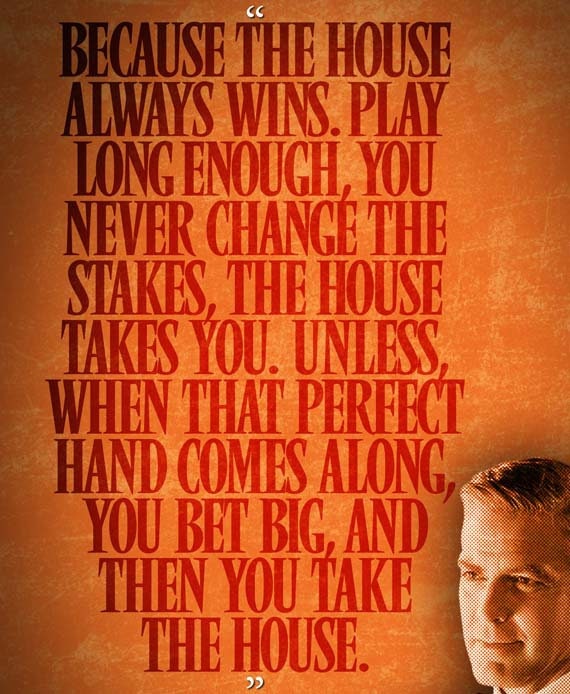
We’ve all heard the saying, right? “The house always wins.” It’s whispered in hushed tones in casinos, used as a cautionary tale about risk, and generally accepted as an undeniable truth. But what if I told you that while the odds might be stacked against you, understanding how the game works can significantly tilt the playing field in your favor, both in the short term and the long run?
This isn’t about becoming a gambling prodigy or trying to cheat the system (don’t!). This is about applying the principles that make the “house” successful to your own life and decision-making, ultimately taking back control and increasing your chances of “winning” in the game of life.
Explanation of the Problem
So, what does “the house always wins” really mean? In gambling, it’s simple: the odds are statistically rigged in favor of the casino. They have an edge, a percentage advantage built into every game. Over time, this edge guarantees their profitability. But let’s broaden the scope. In life, the “house” can represent systems, institutions, or even ingrained habits that seem unbeatable. It could be:
- Financial institutions: Credit card companies, banks, and loan providers that profit from interest rates and fees.
- Marketing and advertising: Companies that subtly manipulate our desires and spending habits.
- Unhealthy habits: Procrastination, poor diet, and lack of exercise that chip away at our well-being.
The short-term impact of letting the “house” win can be frustrating. Overpaying on a loan feels like throwing money away. Succumbing to impulse purchases drains our bank accounts. Skipping workouts makes us feel sluggish and unmotivated. But the long-term consequences are far more significant. They can lead to:
- Chronic financial stress: Debt accumulation, limited savings, and a constant feeling of being trapped.
- Diminished health: Increased risk of diseases, reduced energy levels, and a lower quality of life.
- Unfulfilled potential: Missed opportunities, stagnation in career and personal growth, and a general sense of dissatisfaction.
Solutions
So, how do we stop the house from winning? How do we reclaim control and start building our own winning streak? Here are some practical strategies:
1. Understand the Rules of the Game: Knowledge is Power
The first step is to educate yourself. Just as a seasoned poker player understands the odds and probabilities of each hand, you need to understand the rules and inner workings of the “game” you’re playing.
- Finance: Read personal finance books, take online courses, or consult with a financial advisor to understand budgeting, investing, and debt management. Learn about compound interest, the power of diversification, and the pitfalls of high-interest debt.
- Health: Research nutrition, exercise science, and the impact of sleep on your well-being. Understanding how your body works empowers you to make informed choices about your health.
- Marketing: Become aware of common marketing tactics. Pay attention to how ads use psychology to influence your emotions and desires. Understanding these techniques makes you less susceptible to their manipulative power.
Example: Instead of blindly accepting the terms of a credit card, research different cards and compare interest rates, fees, and rewards programs. Understanding the details empowers you to choose a card that benefits you, not just the bank.
2. Create Your Own Edge: Strategic Planning and Execution
The “house” wins because it has a built-in advantage. To counter this, you need to create your own edge through strategic planning and disciplined execution.
- Budgeting: Develop a detailed budget that tracks your income and expenses. This allows you to identify areas where you’re overspending and allocate resources to your goals.
- Goal Setting: Set clear, specific, measurable, achievable, relevant, and time-bound (SMART) goals. Having defined goals provides direction and motivation, making it easier to stay on track.
- Automate Savings: Set up automatic transfers from your checking account to your savings or investment account each month. This “pays yourself first” and ensures that you’re consistently building wealth.
Example: Instead of simply hoping to save money, set a SMART goal like, “I will save $200 per month for the next 12 months to build an emergency fund of $2400.” Then, automate a $200 transfer from your checking account to your savings account on the 1st of each month.
3. Manage Risk: Calculated Decisions and Diversification
The “house” manages risk by diversifying its offerings and understanding probabilities. You can apply the same principles to your life.
- Investing: Don’t put all your eggs in one basket. Diversify your investments across different asset classes, such as stocks, bonds, and real estate. This reduces your exposure to risk and increases your chances of long-term success.
- Career: Don’t rely solely on one skill or industry. Develop transferable skills, network with people in different fields, and be open to exploring new opportunities. This makes you more resilient to economic downturns and industry shifts.
- Personal Well-being: Don’t neglect any aspect of your health. Prioritize physical activity, healthy eating, sleep, and stress management. A balanced approach to well-being ensures that you’re less vulnerable to illness and burnout.
Example: Instead of investing all your savings in a single stock, invest in a diversified portfolio of stocks, bonds, and mutual funds. This spreads your risk and increases your chances of earning a positive return over the long term.
4. Seek Knowledge and Adapt: Never Stop Learning.
The world is constantly evolving and so should your approach. The “house” continuously analyzes data and adapts its strategies to maintain its edge.
- Stay Informed: Keep up with current events, industry trends, and new developments in your field. Read books, articles, and blogs, attend conferences, and network with experts.
- Embrace Lifelong Learning: Take online courses, attend workshops, and pursue certifications to expand your knowledge and skills. Learning new things not only makes you more valuable but also keeps your mind sharp and engaged.
- Reflect and Adjust: Regularly review your progress toward your goals and make adjustments as needed. Don’t be afraid to change your strategy if it’s not working.
Example: If you’re trying to lose weight and your current diet isn’t working, research different diets, consult with a nutritionist, and experiment until you find a plan that works for you.
Alternative Approaches: Tailor Your Strategy
While the above strategies are universally applicable, you can also tailor your approach based on your individual circumstances and preferences:
- The Minimalist Approach: Focus on simplifying your life by reducing your consumption and eliminating unnecessary expenses. This frees up time and money to pursue your passions and goals.
- The FIRE (Financial Independence, Retire Early) Approach: Aggressively save and invest a large portion of your income with the goal of retiring early. This requires discipline and sacrifice but can provide you with the freedom to live life on your own terms.
- The Value-Based Approach: Prioritize spending your time and money on experiences and activities that align with your values. This ensures that you’re living a meaningful and fulfilling life.
Conclusion
The “house always wins” mentality can be a self-fulfilling prophecy. It can lead to resignation, apathy, and a sense of powerlessness. But the truth is, you have the power to change the game. By understanding the rules, creating your own edge, managing risk, and continuously learning, you can significantly improve your odds of success in all areas of your life.
It won’t be easy. There will be setbacks and challenges along the way. But with persistence, determination, and a strategic mindset, you can take back control and start building your own winning streak. So, go out there, learn the rules, create your edge, and start tilting the odds in your favor. The house might be powerful, but you are more powerful when you are armed with knowledge and a plan. The game is on, and it’s time to win.