

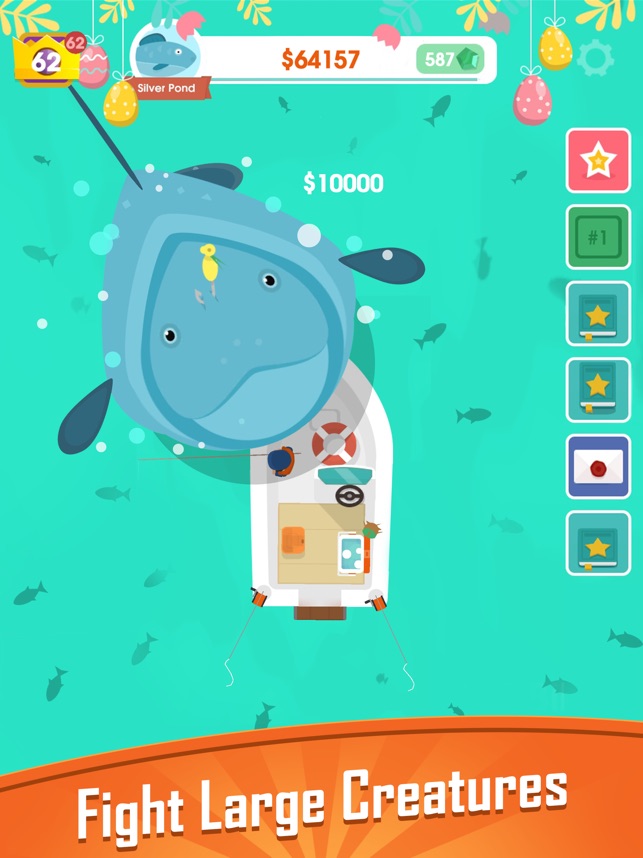
Hook, Line, and Addiction: The Rise of Online Fishing Games
Introduction
Remember the simple joy of casting a line, feeling the tug, and reeling in a fish? Now, picture that same thrill, but from the comfort of your couch, bathed in the blue light of your screen. Online fishing games have exploded in popularity, offering a seemingly harmless escape into a virtual world of shimmering waters and trophy catches. But beneath the surface lies a growing concern: are these games more addictive than relaxing, and what are the potential consequences?
The Lure of the Digital Lake
These games are designed to be captivating. With vibrant graphics, realistic sound effects, and a constant stream of rewards, they tap into our innate desire for accomplishment and relaxation. Many incorporate elements of gambling, with players spending real money on in-game currency to buy better equipment, access exclusive locations, or participate in high-stakes tournaments. The allure is strong: a quick escape, a chance to win big (even if it’s only virtual), and the social connection of competing with and against other players.
Think of it as a digital slot machine disguised as a serene fishing trip. The variable reward system, where the size and rarity of the catch are unpredictable, triggers the release of dopamine in the brain, the same neurochemical associated with pleasure and addiction. The more you play, the more you crave that next big catch, fueling a cycle that can be difficult to break.
Short-Term Fun, Long-Term Repercussions
The immediate effects of excessive online fishing game play might seem trivial: neglecting chores, staying up late, or spending a few extra dollars on in-game purchases. But these can quickly escalate into more serious issues. Relationships can suffer as time spent fishing virtually replaces quality time with loved ones. Work or school performance can decline as focus and energy are diverted to the game.
The long-term impacts are even more concerning. Some players report experiencing financial difficulties due to overspending on in-game items. Others struggle with anxiety and depression as they become increasingly isolated from the real world. One study found a correlation between excessive gaming and increased levels of stress hormones, leading to physical health problems.
We’ve seen cases where individuals have racked up thousands of dollars in debt chasing that elusive virtual trophy fish. A teacher in South Korea, for example, lost his job after becoming so engrossed in an online fishing game that he neglected his duties. While these are extreme examples, they highlight the potential for these games to disrupt lives in profound ways.
Casting a Line for Solutions: How to Reel Yourself Back In
The good news is that awareness is the first step toward addressing the problem. If you suspect that you or someone you know may be struggling with an online fishing game addiction, there are several strategies you can employ:
- Recognize the Signs: The first step is honest self-assessment. Are you spending more time and money on the game than you intended? Are you neglecting responsibilities or relationships because of it? Do you feel anxious or irritable when you can’t play? If you answered yes to any of these questions, it’s time to take action.
- Set Time Limits: This is a crucial first step. Use built-in timers on your phone or computer to limit your playtime. Alternatively, allocate specific times for gaming, treating it like any other scheduled activity. Sticking to a defined schedule helps prevent the game from taking over your free time. For example, try limiting yourself to one hour on weekdays and two hours on weekends.
- Budget Wisely: Before playing, determine a specific amount you’re willing to spend on in-game purchases. Once you’ve reached that limit, stop. Avoid chasing losses or the illusion of “getting even.” Consider using prepaid cards or setting up alerts to track your spending.
- Find Alternative Activities: Replace the time you spend playing online fishing games with other hobbies or activities you enjoy. This could be anything from reading and exercising to spending time with friends and family. Explore new interests, such as hiking, painting, or learning a new language.
- Seek Support: Talk to a trusted friend, family member, or therapist about your concerns. Sharing your struggles can provide valuable support and accountability. There are also support groups specifically for gaming addiction, both online and in person. Knowing you’re not alone can make a big difference.
- Consider Professional Help: If you’ve tried these strategies and are still struggling, don’t hesitate to seek professional help. A therapist specializing in addiction can provide evidence-based treatments, such as cognitive behavioral therapy (CBT), to help you manage your cravings and develop healthier coping mechanisms.
A Multi-Pronged Approach: Beyond Personal Responsibility
While individual strategies are essential, addressing the issue of online fishing game addiction also requires a broader, multi-pronged approach:
- Game Developers’ Responsibility: Game developers have a responsibility to design their games in a way that minimizes the risk of addiction. This could include implementing features like spending limits, playtime reminders, and clear warnings about the potential risks of excessive gaming.
- Parental Controls and Education: Parents need to be aware of the potential risks of online fishing games and other addictive digital content. They should use parental control settings to monitor their children’s playtime and spending, and engage in open conversations about responsible gaming habits.
- Public Awareness Campaigns: Public service announcements and educational campaigns can help raise awareness about the potential risks of online fishing game addiction and provide resources for those who need help.
Casting Off the Addiction: A Brighter Future
The rise of online fishing games presents both opportunities and challenges. While these games can offer a fun and relaxing escape, they also have the potential to become addictive and disruptive to our lives. By recognizing the signs of addiction, implementing practical strategies for managing our playtime and spending, and advocating for responsible game design and public awareness, we can ensure that these games remain a source of enjoyment rather than a source of harm.
It’s time to take control of your digital fishing experience. Remember, the real world offers its own rewards – deeper connections, tangible accomplishments, and a life lived in balance. You have the power to cast off the addiction and reel in a healthier, more fulfilling future. Take action today, and rediscover the joy of fishing – and of life – in moderation.