

“`html
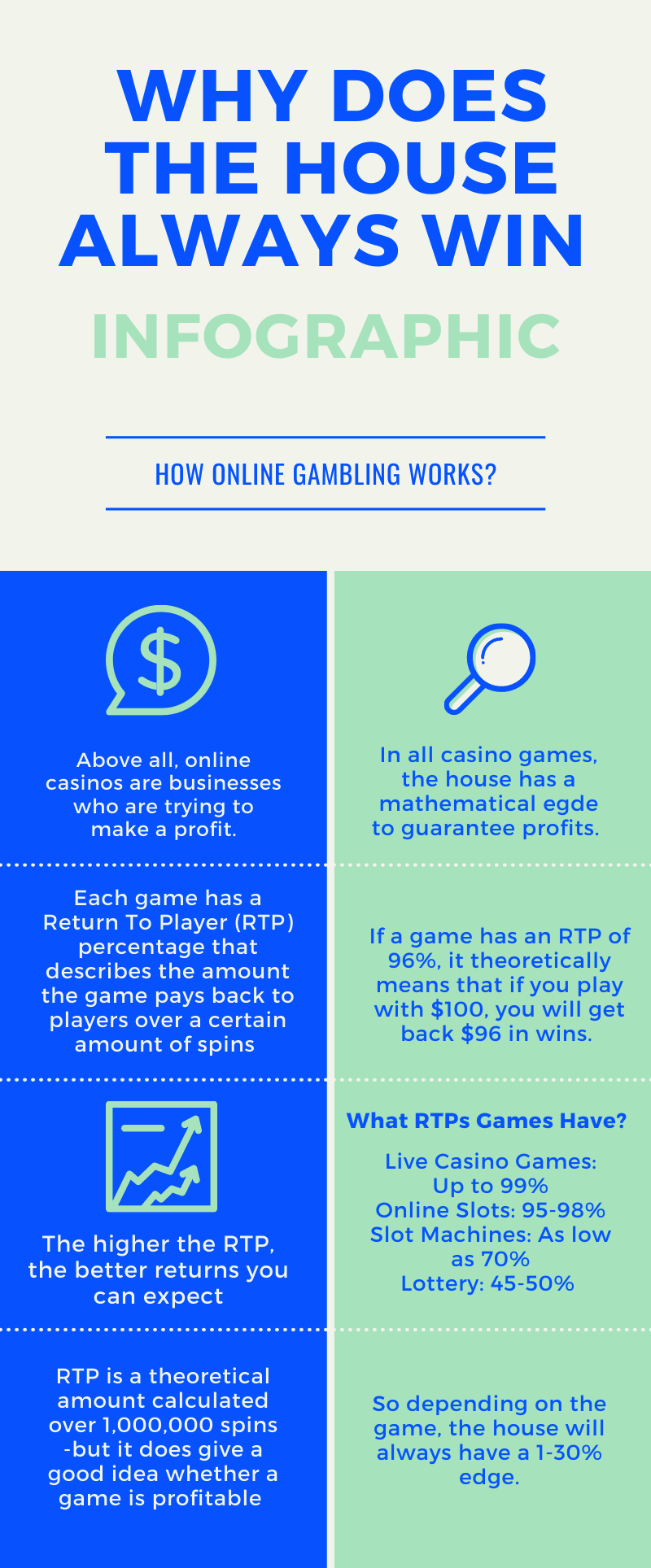
Online Casinos: The House Always Wins (Until You Read This)
Introduction
Okay, let’s be honest. We’ve all been there, haven’t we? Scrolling through the internet late at night, a flashy banner ad catches your eye: “Spin & Win! Claim Your Free Bonus Now!” Maybe you’re bored, maybe you’re chasing a dream of a quick buck, maybe you just want a little thrill. Whatever the reason, you click. You register. And suddenly, you’re in the dazzling, digital world of online casinos.
They promise excitement, easy money, and a chance to beat the odds. And, for a while, maybe you do. A small win here, a lucky spin there. It feels good, right? Validating. Almost… empowering.
But here’s the thing: the house always wins. It’s not just a saying; it’s a mathematical certainty baked into the core of every online casino game. This isn’t to say winning is impossible. People do win, sometimes big. But the odds are always tilted in the casino’s favor. Let’s delve into why, and more importantly, what you can do about it.
Explanation of the Problem
The immediate lure of online casinos is undeniable. The bright lights, the alluring sounds, the promise of instant gratification – it’s all carefully designed to trigger your brain’s reward system. Short-term, it can be a fun escape, a way to unwind after a long day. Maybe you even win a little bit.
But the long-term impacts are where things get dicey. Consider this:
- Financial Strain: Chasing losses is a classic trap. A bad run can lead to compulsive betting, digging you deeper and deeper into a financial hole. Credit card debt, emptied savings accounts, even borrowing from friends and family – the financial consequences can be devastating.
- Mental Health: Problem gambling is linked to anxiety, depression, and even suicidal thoughts. The constant stress of chasing losses, the guilt and shame associated with gambling addiction, and the feeling of being trapped can take a heavy toll on mental well-being.
- Relationship Problems: Secrets, lies, and financial stress are a recipe for disaster in any relationship. Gambling addiction can erode trust, leading to arguments, separation, and even divorce.
- Time Drain: Those “quick spins” can quickly turn into hours spent glued to a screen, neglecting responsibilities, hobbies, and social connections.
The key is understanding the difference between responsible gambling and problematic behavior. A casual flutter now and then is one thing; but when it starts impacting your finances, relationships, or mental health, it’s time to take action.
Solutions
So, how do you tip the scales, or at least avoid getting swept away by the current? Here are some practical solutions, designed to be easy to understand and implement:
- Know Your Limits (and Stick to Them!): Before you even think about logging into an online casino, set a budget. A realistic budget. Think of it as entertainment money that you’re completely prepared to lose. Crucially, once that budget is gone, stop. No chasing losses. No “just one more spin.”
- Example: “Okay, I’m willing to spend $50 this month on online casinos. That’s it.” Track your spending rigorously.
- Time Limits are Your Friends: Set a timer before you start playing. 30 minutes? An hour? Whatever you choose, when the timer goes off, log out. No exceptions. This prevents you from getting lost in the addictive loop of chasing wins.
- Tip: Most online casinos offer features to set time limits on your account. Use them!
- Understand the Odds (and the House Edge): Educate yourself about how casino games work. The house edge is the percentage that the casino expects to win from each bet in the long run. The higher the house edge, the worse the odds for you. Focus on games with lower house edges, like Blackjack (with proper strategy) or some video poker variations. Knowing this might not make you win, but will help you make informed decisions.
- Example: Roulette has a higher house edge than Blackjack. Slots generally have a wide range of house edges, often not publicly disclosed.
- Self-Exclusion Programs: Most online casinos offer self-exclusion programs that allow you to ban yourself from their site for a set period. This can be a powerful tool for those struggling with problem gambling.
- Case Study: Several studies have shown that self-exclusion programs can be effective in reducing gambling participation and related harm.
- Seek Help When You Need It: There’s no shame in admitting you have a problem. If you’re struggling to control your gambling, reach out for help. There are numerous resources available, including:
- Gamblers Anonymous: A support group for people with gambling addiction.
- National Problem Gambling Helpline: A free and confidential helpline that provides information and support.
- Therapists and Counselors: Many therapists specialize in treating gambling addiction.
Alternative Approaches: Tailoring Solutions to Your Needs
Not every solution works for everyone. Here are some alternative approaches you might consider:
- Replace Gambling with Other Activities: Find healthy alternatives to gambling, such as exercise, hobbies, or spending time with loved ones.
- Financial Counseling: A financial counselor can help you create a budget, manage your debt, and develop healthy financial habits.
- Gamification of Life: Find ways to gamify other aspects of your life. Set goals, track your progress, and reward yourself for achieving milestones. This can provide a similar sense of accomplishment without the financial risk.
- Mindfulness and Meditation: Practicing mindfulness can help you become more aware of your thoughts and feelings, allowing you to make more conscious choices about your gambling behavior.
Conclusion
The online casino industry is designed to keep you playing. But armed with the right knowledge and strategies, you can take control and play on your own terms. Remember, the house always has an edge, but you don’t have to fall prey to it.
Start small. Set a budget, track your spending, and be mindful of your time. Educate yourself about the games you play and the odds involved. And most importantly, don’t be afraid to seek help if you need it.
The key takeaway? Recognizing the problem is the first step. Taking action is the next. You have the power to change your relationship with online casinos and create a healthier, more fulfilling life. It’s not about never playing again if you enjoy it, but about playing responsibly and preventing it from negatively impacting your life. So, take a deep breath, implement some of these strategies, and start taking back control. You’ve got this.
“`